


Top Ten Most Visited Places in Sri Lanka for Tourist
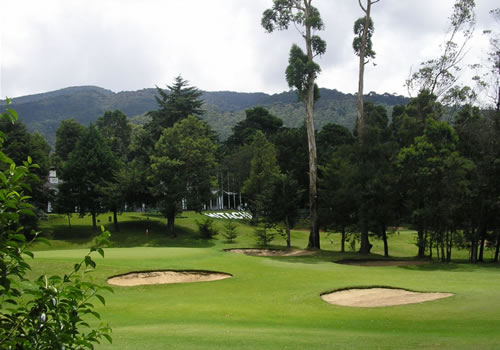
Sri Lanka is relatively unknown in the field of Golf, but surprisingly the country has three of the finest 18 hole courses in Asia. Golf started in Sri Lanka over 100 years ago with the Sri Lanka Amateur Golf Championship in the 1890's, which follows the British Amateur as the Oldest National Championship in the world. The courses are situated in Colombo, Nuwara Eliya and Digana near Kandy. All have distinctive terrain and climate conditions, which contributes to the enjoyment and challenge (as you could be playing golf in two different countries). Sri Lanka is also proud to announce its newest Golf course, The Water's Edge in Colombo which is more than just a golf club, offering more of a Country Club atmosphere with a swimming pool, gym, Health Spa and restaurants.
All of Sri Lanka's golf courses offer challenging golf along with well kept greens in magnificent surroundings of coconut palms, winding hills and large reservoirs, with an abundance of tropical birds and wildlife.
Nuwara Eliya GC
Nestled in the hills at 6200 feet above sea level it offers wonderful views of the tea country.
Savings with Open Fairways
Victoria Golf & Country Club Victoria G&CR
Splendid undulating terrain and a scenic backdrop of hills and lakes that excite the senses.
Savings with Open Fairways
Waters Edge Golf Club Waters Edge GC
A haven of calm, the picturesque waterways make this a challenging course.
02.Caving

The fascinating activity of Caving is relatively new to Sri Lanka, but with an impressive range of caves located throughout the country it's an unusual experience not to be missed! Known to the experts as ‘speleology', caving involves the exploration, surveying, mapping and photographing of caves situated around Sri Lanka.
With some of Sri Lanka's caves dating back approximately 500 million years, this is an adventure into the prehistoric! Eco Team provides local experienced guides and all the necessary gear for caving (such as raincoat, head torches, helmets, ropes etc.) making the activity accessible to amateurs and experts alike.
Andirilena Caves, Udagama
Batatotalena Cave, Sudagala
Bogoda Cave, Jangulla
Rawana Ella Cave, Ella
Batadombalena Cave, Kuruwita
Belilena Cave, Kitugala
Pannila Calcarious Cave, Rakwana
Waulpane Cave, Pallebeda
Sthripura Cave, Welimada
03.Cycling & Mountain Biking

Sri Lanka's mountainous terrain is among the finest of the world's biking sites. Among the slopes, valleys and the tea plantations are tracks and trails that will beckon the avid mountain biker. Tours range from lush tea estates to caves, rain forests, ancient temples , reservoirs etc.slopes, valleys and the tea plantations are tracks and trails that will attract any mountain biker. Tours range from lush tea estates to caves, rain forests, ancient temples , reservoirs etc.
Most Hotels and tour operators offer mountain biking holidays, alternatively the guest has the option of contacting a smaller 'adventure' based operation for the purpose of selecting his/her own trip.
The national cycle trail network provides the rider with dedicated roots marked with signs for convenience. Many tour operators such as Sri lankan Expeditions market tailor made mountain biking tours.
The majority of mountain biking tours are conducted in the Knuckles range with its verdant hills and challenging trails. Kital Ella near Bandarawela, a very attractive mountainous region overlooking the ‘Namunukula' mountain range. At an altitude of 1230 metres, the mountainous area has an extremely pleasant climate, with warm (but not humid) days and cool nights. The environment is remarkably varied with something to satisfy everyone's taste. You can chose an apt trail and ride to your hearts content.
04.Windsurfing

Sri Lanka has many extensive water bodies that can be used for windsurfing. The most popular places are
BENTOTA on the south-west coast
TRINCOMALEE on the on the east coast
NEGOMBO lagoon, on the west coast
For a real wind-surfer's paradise, head down to BENTOTA where the exhilaration of cruising across the azure water overlooking the idyllic beach won't fail to disappoint.
For beginners of windsurfing, the more tranquil waters of the BENTOTA River or any of Sri Lanka 's many tanks and lakes offer an ideal training zone before heading out to the challenge of the ocean.
North of TRINCOMALEE , in the west coast of Sri Lanka , the sea off Nilaveli beach provides a fantastic east coast alternative for when the Yala monsoon brings strong winds and rough seas to the west. So whatever you're level of experience, leave your wetsuit at the door and make the most of what Sri Lanka has to offer this exciting sport. You can learn to windsurf all year round on the NEGOMBO Lagoon.
There is always a wind across the lagoon, which can be quite strong on some days the waves reach heights of no more than a mere 15cm.
N.B. If venturing out on the south-west coastline, grab your sail and board between November and April before the monsoon hits. To ensure the best wind and water conditions on the east coast, go from May-October..
05.T Hiking & Trekking

For the keen hiker, a plethora of opportunity awaits in Sri Lanka’s diverse and luscious hill country. The beautiful area of Believably provides a superb base from which to try out a wide variety of hikes through jungle, across paddy fields and up mountains. The river and numerous waterfalls in the area are other key attractions that allow hikers to enjoy a refreshing dip en-route! In the same area the mysterious Horton Plains National Park offers some excellent hikes in an unusual environment, characterized by forest patches, grasslands and some high-altitude vegetation. Highlights include the dramatic 880 metre drop at World’s End and the beautiful Baker’s Falls.
When climbing the infamous Adam’s Peak Wilderness Sanctuary (Sri Pada), its best to begin your ascent at night in order to arrive at the top in time for a magical sunrise, when the mystical shadow of the mountain peak is perfectly cast across the clouds below. It is one of those truly unique moments that will live on in your memory long after the aches and pains from the climb have gone! The attractive area of Bandarawela and the nearby town of Ellaare also renowned for their many walks, including Little Adam’s Peak, Ella Rock and the Namunukula Mountain Range.If you’re in the vicinity of Kandy, don’t miss out on exploring the beautiful knuckles Mountain Range. The region stretches an impressive 155 sq km, with five major forest formations, a wide variety of rare and endemic flora and fauna and some breathtaking mountain scenery. It is a real paradise for hikers, offering numerous trails that journey across clear rivers, through dense forests, past flowing waterfalls and lush tea plantations, and alongside terraced paddy fields and colourful Kandyan home gardens.
Hiking place in Sri Lanka,
Piduruthalagala
Sri Pada (Adam's Peak)
Hunnasgiriya
Knuckles Range
Ritigala
Kirigalpotta and Thotupola
Namunukula
06.Rafting and Canoeing

Rafting Experience the thrills and spills of an exciting rafting adventure in a jungle paradise. Rafting mixes the ups and downs of rapids with calm sections perfect for looking at the tea and rubber plantations or mountains covered in jungle rainforest. In one section all you can hear is the pounding water rushing through the rapids and the faint cry of the guide’s instructions. In the next only the chirping birds break the silence as you breathe in the wilderness.
Around the next corner village women do their washing and giggle when you jump out of the raft to cool off. It’s easy to lose yourself in thought at the remoteness of the river and the community. But the next set of rapids quickly concentrate them as, helmet and paddle at the ready, you are pushed through the section in a whir of excitement and accompanied by screams, cheers and a quickly beating heart. Look back to see what you’ve accomplished but be careful: the jungle views may sweep you away.
Rafting is based in the hill country and the best rivers descend from Adam’s Peak, a 2,243m mountain which locals believe was the first place Adam set foot on earth. Rafting options range from a one-hour ride in the Kelani River at Kitulgala, an ideal spot for beginners, to the “experienced paddlers only” rivers of Kotmale, Mahaweli and Kal.
Canoeing
Paddling a canoe can be the most practical way to discover Sri Lanka’s country rivers, jungles, swamps, lagoons and canals.
For jungle river canoeing there is a rewarding journey from the Sinharaja Forest Reserve to the coastal town of Kalutara. It can be done as a day or an overnight trip and is good for people who have never canoed before but are looking to experience wilderness and adventure.
Small jungle river tours and riverbank camping are also offered on the Bo-path Ella waterfalls to Kaluganaga trip.
The lagoon at Bentota is a calm place to paddle in one or two-person canoes. The more adventurous can pass under the Galle Road bridge and head upstream in search of water monitors, mangroves and maybe crocodile
07.Turtle Watching

The thrill of watching a huge turtle haul itself onto the beach and lay its eggs, trance-like under a full moon or dozens of baby turtles hatching under a starry sky and fleeing to their uncertain future in the ocean is simply unforgettable. Five of the world's seven species of marine turtle, the green, leather back, loggerhead, olive Riddle and hawks bill frequent Sri Lankan shores to lay their eggs. All are highly endangered and in desperate need of conservation.
Visit the deserted alien landscape of the Kalpitiya Peninsular, a sliver of land that separates the Puttalam lagoon from the Indian Ocean. A marine sanctuary on the north west coast, Kalpitiya is an area of breathtaking beauty completely undisturbed, unspoiled and untouched though alive with nature. It is on the vast sand dune beaches of this otherworldly landscape that you will have the chance to search for marine turtles on a starlit adventure in this once-in-a-lifetime opportunity.
meat into incentives so that they became nest protectors. Through incorporating, educating and empowering the local community, these endangered turtles are now being conserved in their own habitat. Nightly 'turtle watches' are the feature here where you'll wait on the sandy beach in anticipation of viewing what is undoubtedly an unforgettable feat of nature.
While we cannot guarantee that you will see either a laying mother or hatch lings, you will certainly find the exciting experience of waiting on these unspoiled beaches for these amazing creatures to appear, one to remember. If you are visiting between the months of November and March, the chances of a turtle sighting is at its highest
08.Rock Climbing Sri Lanka

Standing on the summit of a mountain is only part of the total enjoyment and satisfaction that one achieves from mountaineering. Mountaineering is an adventure sport that requires skills and levels of fitness that few other adventure sports can match. For those fascinated by the explored, the mountain ranges offer breath taking, enthralling, climbing routes. Climbing is all about discovering the natural world around and with you. Join Sri Lanka's climbing expeditions for spine tingling encounters combining with rafting and sailing.Rock climbing in Sri Lanka is a relatively new activity in the island nation but provides a plethora of new opportunities to be part of new discoveries and adventure. Rock climbing in Sri Lanka is not restricted to only the serious climbers but even the less serious climbers have an opportunity to trek along some exciting routes which have been developed. One such route includesthe rock face of Sri Lanka’s highest waterfall ‘Babarakanda’. The more professional adventurists and climbers can also be part of discovery missions where they can indulge in some adventure and fun exploring as part of a team.
At the Babarkanda waterfall one will find at the moment there are two climbing paths. One is for professional and the other two are for beginners. The beautiful waterfall is exquisite with a height of 790 feet. The enjoyment and satisfaction that one achieves from rock climbing mountaineering activities in Sri Lanka is something which cannot be described by words. You have to hone your skills and levels of fitness to truly enjoy this majestic sport adventure known as ‘rock climbing in Sri Lanka’
09. Diving

A wide coral reef surrounds Sri Lanka’s coast at intervals, from north to south, providing excellent sites for skin-diving.Diving Flag The discovery of the natural beauty of the underwater world in Sri Lanka is sure to fascinate and keep one spellbound. The turquoise and aquamarinewaters are home to a burgeoning populace of magical and mysterious world of coral reef, shells and vibrant shoals of fish.The adventure of scuba diving can be combined with activities ranging from underwater photography,
dive wit barracuda barrcuda dive
to the study of the varied types of ocean life.The coral world is inhabited by a profound number of beautiful species such as rays, eels, clown fish, porcupine, moorish idol, unicorn and moorish angel to name a few. The common species belonging to the families of Aroporidae (Staghorn Corals), Poritidae (Donnie Corals), Mussidae (Brain Corals), faviidae (Ster Corals) and Pocelloporidae (Flower Corals).
barrcuda diving " Sri Lanka's spectacular scenic beauty is rivalled only by the wonders of her underwater world," an apt saying as the sea surrounding the pearl of the Indian Ocean holds many treasures; The multi-hued coral reef which encompasses the south and east coast is illuminated by the rays of the sun creating a magical effect along with the vibrant tropical fish, and the submerged shipwrecks offer ample opportunity for underwater archaeologists, photographers and adventure seekers alike.divingSome of the diving hot spots are Ambalangoda, Hikkaduwa, Dodndra, Tangalle and many more in the south and south -east coast; Negombo, Bentota and Beruwala in the West and Pigeon Island ( Nilaveli), Batticaloa, Kalmunai, Passekudah, Kattankudy on th east coast. The above areas are a mere handful compared to the plethora of cities which are equiped to give a memorable diving experience.
The Barge: This perfect wreck of a barge lies upright in 30m, and is now bristling with marine life. The deck is carpeted in corals and there are always teeming schools of tropical fish. Whale sharks also put in occasional appearances.
Taj Wreck:
Although badly broken up, this 45m harbour boat still attracts large schools of barracuda, rabbitfish and stingrays. Colourful reef fish dart in and out among the tangled mass of wreckage. Sections of the hull are safe to penetrate.
World War II Plane: This small plane lies on a sand bottom in 30m. You can still identify the aircraft's wings, its coral-encrusted cockpit and the twisted remains of its propeller.
Mount Lavinia
This beach resort just south of Colombo offers rugged underwater terrain and abundant marine life. Several rows of apartment-sized underwater boulders have created lots of interesting swimthroughs and provide shelter for a wide variety of aquatic creatures, including the spectacular blue-ringed angelfish. The only drawback to diving here is that the sea is rough for most of the year, so the dive season is short: from January to March. But that hasn't deterred Adventure Sports Lanka, one of Colombo's main dive operators, from setting up a diving base here.
Hikkaduwa
Hikkaduwa is the best-known beach resort on the southwest coast and a major centre for diving in Sri Lanka. Strangely the underwater life isn't particularly outstanding, especially close to shore where the fringing reefs have been dynamited. There's very little live coral left and you'll only see small fish. On the other hand, easy shallow conditions make this a very good place for beginners to do their training dives. Further offshore, between 30mins and an hour from the coast, you'll find much clearer water and a greater abundance of fish; and if you use Hikkaduwa as a base from which to make dive-trips up or down the coast you can still reach some excellent sites, including the superb SS Conch. This 3300-ton oil tanker was built in 1892 for the Shell oil company, sank off Akurala Rocks in 1903 and split into two. Most of the ship now lies in less than 15m of water, so it's an easy dive. Some good penetrations are possible and there's an abundance of marine life, including lots of tame reef fish, snappers, sweetlips and the occasional large grouper or napoleon wrasse.
Galle & Unawatuna
A good alternative to Hikkaduwa, Galle not only offers fine diving in its own right, it's also the jumping-off point for even more spectacular dive sites to the north and south. On the edge of Unawatuna Bay - the next bay along from Galle Harbour - there's a rock and coral reef with some big boulders where divers can often see triggerfish, pufferfish and other species. This is also a good spot for beginners. Further off this coast are a couple of wrecks that have flourished into spectacular artificial reefs and are home to a number of very large resident groupers. To the north, Ralagala and Medagala, off Gintota, offer what many consider the best diving off the west coast. Ralagala, literally "Wave Rock", only barely breaks the surface, but under the water you'll find a rugged landscape of granite boulders and rock formations, and a huge variety of fish that includes teeming schools of gold and green fusiliers, rudder fish, snapper, trevally, parrot fish, grunts, powder-blue surgeon fish and blue-ringed and emperor angelfish.
The Basses Reefs
If and when this area reopens to divers, the Basses Reefs should be first on your list of "must see" dive sites in Sri Lanka. These two enormous, elongated reef complexes - the Great Basses and the Little Basses - running along the southeast coast of the island just off Yala National Park offer world-class conditions. Rugged sandstone formations and drop-offs, clear oceanic water and an abundance of big fish all combine to make any dive in these waters an adventure. Above the water, virtually the only indication these reefs exist are the two lighthouses that mark their locations. But underwater they're a fantastic wonderland of canyons, gullies, ridges and turrets, carved out of sandstone by prehistoric seismic action and the waves. Black coral bushes, fan corals, whip corals and all manner of sponges flourish on current-swept walls, while the proximity of deep water - Sri Lanka's shallow coastal shelf is especially narrow here - brings in big fish in huge numbers. Sharks, dog tooth tuna, barracuda, grouper, all species of Trevar, rays, and schools of sweet lips and snapper are all commonly seen inshore on these reefs.
The main drawback to diving on the Basses Reefs is the weather. Their location exposes them to both the southwest and northeast monsoons, so each year there's only a brief window of about six weeks - from March to early April - when the seas are calm enough for diving.
Trincomalee
Mention the name Trincomalee to any seasoned Sri Lankan diver and the next word you'll hear is "whales". This large diving resort on the east coast has become famous in Sri Lanka for the blue, sperm and Bryde's whales and dolphins that are regularly spotted close to shore here. Trincomalee also has some of the best all-round diving in the country. Dominated by an enormous natural harbor - the fifth-largest in the world - the coastline here is made up of dozens of bays, inlets, reefs, rocky peninsulas, cliffs and islands, and the result is a great variety of undersea terrain and aquatic life. Apart from marine mammals, on some of the walls here divers can encounter schools of barracuda, giant Trevar and the occasional shark.
The Hermes Wreck
We've left the best for last. Of all Sri Lanka's dives, the wreck of the HMS Hermes is probably the most thrilling and challenging. This British aircraft carrier was attacked by the Japanese in 1942 and went down with over 300 men off Batticaloa on the east coast. It now lies in 60m of water. This is a dive only for the very experienced, and even then it requires extensive preparation and safety precautions. But the sight of the huge hulk looming purple and Grey below you, patrolled by schools of giant Trevar, mangrove snapper and yellow fin barracuda; of mangled gun emplacements, spars and girders like petrified forests of iron, now covered with Oregonians and whip corals; of the occasional 350kg grouper emerging from a dark lair inside the ship; makes this an unforgettable dive.
10. Beaches


A wide coral reef surrounds Sri Lanka’s coast at intervals, from north to south, providing excellent sites for skin-diving.Diving Flag The discovery of the natural beauty of the underwater world in Sri Lanka is sure to fascinate and keep one spellbound. The turquoise and aquamarinewaters are home to a burgeoning populace of magical and mysterious world of coral reef, shells and vibrant shoals of fish.The adventure of scuba diving can be combined with activities ranging from underwater photography,
dive wit barracuda barrcuda dive
to the study of the varied types of ocean life.The coral world is inhabited by a profound number of beautiful species such as rays, eels, clown fish, porcupine, moorish idol, unicorn and moorish angel to name a few. The common species belonging to the families of Aroporidae (Staghorn Corals), Poritidae (Donnie Corals), Mussidae (Brain Corals), faviidae (Ster Corals) and Pocelloporidae (Flower Corals).
barrcuda diving " Sri Lanka's spectacular scenic beauty is rivalled only by the wonders of her underwater world," an apt saying as the sea surrounding the pearl of the Indian Ocean holds many treasures; The multi-hued coral reef which encompasses the south and east coast is illuminated by the rays of the sun creating a magical effect along with the vibrant tropical fish, and the submerged shipwrecks offer ample opportunity for underwater archaeologists, photographers and adventure seekers alike.divingSome of the diving hot spots are Ambalangoda, Hikkaduwa, Dodndra, Tangalle and many more in the south and south -east coast; Negombo, Bentota and Beruwala in the West and Pigeon Island ( Nilaveli), Batticaloa, Kalmunai, Passekudah, Kattankudy on th east coast. The above areas are a mere handful compared to the plethora of cities which are equiped to give a memorable diving experience.
Recommended Dives
Colombo
Surprisingly, some of the best diving on the west coast is straight off the capital Colombo. Wrecks are the main attraction here. There's everything from commercial barges and oil tankers to small aircraft, and more wrecks are being discovered every year. Apart from their intrinsic interest, Colombo's wrecks also attract a greater variety of marine life than some other sites on the west coast.
Car Carrier Wreck: This is a huge wreck of a car carrier that sank in 1983. The hull is beautifully encrusted with coral, and cars are still visible on the deck at 24m. Large batfish and groupers live in the hull. A highlight is to swim down 30m to the ship's huge propeller, which is still intact.Colombo
Surprisingly, some of the best diving on the west coast is straight off the capital Colombo. Wrecks are the main attraction here. There's everything from commercial barges and oil tankers to small aircraft, and more wrecks are being discovered every year. Apart from their intrinsic interest, Colombo's wrecks also attract a greater variety of marine life than some other sites on the west coast.
The Barge: This perfect wreck of a barge lies upright in 30m, and is now bristling with marine life. The deck is carpeted in corals and there are always teeming schools of tropical fish. Whale sharks also put in occasional appearances.
Taj Wreck:
Although badly broken up, this 45m harbour boat still attracts large schools of barracuda, rabbitfish and stingrays. Colourful reef fish dart in and out among the tangled mass of wreckage. Sections of the hull are safe to penetrate.
World War II Plane: This small plane lies on a sand bottom in 30m. You can still identify the aircraft's wings, its coral-encrusted cockpit and the twisted remains of its propeller.
Mount Lavinia
This beach resort just south of Colombo offers rugged underwater terrain and abundant marine life. Several rows of apartment-sized underwater boulders have created lots of interesting swimthroughs and provide shelter for a wide variety of aquatic creatures, including the spectacular blue-ringed angelfish. The only drawback to diving here is that the sea is rough for most of the year, so the dive season is short: from January to March. But that hasn't deterred Adventure Sports Lanka, one of Colombo's main dive operators, from setting up a diving base here.
Hikkaduwa
Hikkaduwa is the best-known beach resort on the southwest coast and a major centre for diving in Sri Lanka. Strangely the underwater life isn't particularly outstanding, especially close to shore where the fringing reefs have been dynamited. There's very little live coral left and you'll only see small fish. On the other hand, easy shallow conditions make this a very good place for beginners to do their training dives. Further offshore, between 30mins and an hour from the coast, you'll find much clearer water and a greater abundance of fish; and if you use Hikkaduwa as a base from which to make dive-trips up or down the coast you can still reach some excellent sites, including the superb SS Conch. This 3300-ton oil tanker was built in 1892 for the Shell oil company, sank off Akurala Rocks in 1903 and split into two. Most of the ship now lies in less than 15m of water, so it's an easy dive. Some good penetrations are possible and there's an abundance of marine life, including lots of tame reef fish, snappers, sweetlips and the occasional large grouper or napoleon wrasse.
Galle & Unawatuna
A good alternative to Hikkaduwa, Galle not only offers fine diving in its own right, it's also the jumping-off point for even more spectacular dive sites to the north and south. On the edge of Unawatuna Bay - the next bay along from Galle Harbour - there's a rock and coral reef with some big boulders where divers can often see triggerfish, pufferfish and other species. This is also a good spot for beginners. Further off this coast are a couple of wrecks that have flourished into spectacular artificial reefs and are home to a number of very large resident groupers. To the north, Ralagala and Medagala, off Gintota, offer what many consider the best diving off the west coast. Ralagala, literally "Wave Rock", only barely breaks the surface, but under the water you'll find a rugged landscape of granite boulders and rock formations, and a huge variety of fish that includes teeming schools of gold and green fusiliers, rudder fish, snapper, trevally, parrot fish, grunts, powder-blue surgeon fish and blue-ringed and emperor angelfish.
The Basses Reefs
If and when this area reopens to divers, the Basses Reefs should be first on your list of "must see" dive sites in Sri Lanka. These two enormous, elongated reef complexes - the Great Basses and the Little Basses - running along the southeast coast of the island just off Yala National Park offer world-class conditions. Rugged sandstone formations and drop-offs, clear oceanic water and an abundance of big fish all combine to make any dive in these waters an adventure. Above the water, virtually the only indication these reefs exist are the two lighthouses that mark their locations. But underwater they're a fantastic wonderland of canyons, gullies, ridges and turrets, carved out of sandstone by prehistoric seismic action and the waves. Black coral bushes, fan corals, whip corals and all manner of sponges flourish on current-swept walls, while the proximity of deep water - Sri Lanka's shallow coastal shelf is especially narrow here - brings in big fish in huge numbers. Sharks, dog tooth tuna, barracuda, grouper, all species of Trevar, rays, and schools of sweet lips and snapper are all commonly seen inshore on these reefs.
The main drawback to diving on the Basses Reefs is the weather. Their location exposes them to both the southwest and northeast monsoons, so each year there's only a brief window of about six weeks - from March to early April - when the seas are calm enough for diving.
Trincomalee
Mention the name Trincomalee to any seasoned Sri Lankan diver and the next word you'll hear is "whales". This large diving resort on the east coast has become famous in Sri Lanka for the blue, sperm and Bryde's whales and dolphins that are regularly spotted close to shore here. Trincomalee also has some of the best all-round diving in the country. Dominated by an enormous natural harbor - the fifth-largest in the world - the coastline here is made up of dozens of bays, inlets, reefs, rocky peninsulas, cliffs and islands, and the result is a great variety of undersea terrain and aquatic life. Apart from marine mammals, on some of the walls here divers can encounter schools of barracuda, giant Trevar and the occasional shark.
The Hermes Wreck
We've left the best for last. Of all Sri Lanka's dives, the wreck of the HMS Hermes is probably the most thrilling and challenging. This British aircraft carrier was attacked by the Japanese in 1942 and went down with over 300 men off Batticaloa on the east coast. It now lies in 60m of water. This is a dive only for the very experienced, and even then it requires extensive preparation and safety precautions. But the sight of the huge hulk looming purple and Grey below you, patrolled by schools of giant Trevar, mangrove snapper and yellow fin barracuda; of mangled gun emplacements, spars and girders like petrified forests of iron, now covered with Oregonians and whip corals; of the occasional 350kg grouper emerging from a dark lair inside the ship; makes this an unforgettable dive.
10. Beaches

 | The sun shining beaches of Sri Lanka are around the island as seen from the map. The seas are warm. The west coast and southern beaches are best from October to March. The East coast beaches are best during march and October. |
| WEST COAST | |
 | Bentota- The beach, coral reefs, river and ecology makes a water sports paradise. Bentota beach is one of the best beaches in the west coast, which has he added advantage of the Bentota ganga. Both the beach & the river is ideal for water sports. |
 | Beruwala- Ancient Sea farers of Arabia used this natural bay. 56 km south of Colombo, Beruwela marks the beginning of a 130 km. stretch of beach where resort development has taken immense strides in the past few years. Good bathing may be had in the bay all year round. |
 | Negombo- Closest Beach to the Airport Negombo boasts of Sri Lanka's first beach resort. The beach north of the town is a narrow & long. There are plenty of beachside restaurants & hotels for reasonable fees, and many a traveler make Negombo their last stop in Sri Lanka before flying out as it is the closest beach to the Air port. |
 | Mount Lavinia- Closest beach to Colombo and has a colonial touch in the surroundings Just 12 km. south of Colombo, Mount Lavinia is an immediate city suburb and the beach is one of the better known even in colonial times. It lies alongside a wind swept headland jutting into the waters of the Indian Ocean. The sand is the softest and the waves calm and clear. The Governor's House built in 1805 by Sir Thomas Maitland, now forms part of the famous Mount Lavinia Hotel. |
 | Kalutara- A great Beach and River with water sports and adventure facilities. 42 km south of Colombo Kalutara is famous for it beache as well as for the Kalutara bodiya. |
 | Ahungalla- A fine beach in down south with lots of facilities. |
 | Ambalangoda- An important ecolological mangove environment and mask dancing makes Ambalangoda a special beach city. A half hour's drive from Bentota is Ambalangoda, home of devil dancing and mask making. The streets are lined with mask shops & a variety of masks and antique masks are available. |
 | Hikkaduwa- A beach with entertaining night life and Scuba Diving 98 km. south of Colombo, Hikkaduwa is the place for underwater delight. Site of the famed coral gardens; hire a glass bottomed boat or goggles and flippers and explore the fantasies under your feet. |
 | Galle- A world heritage city with a fine Dutch Fort. 116 km. south of Colombo, is the most important southern town with an old-world charm. Believed to be the 'Tar shish' of the Bible, its natural harbor was a famous fort in days gone by. Famous for its Dutch fort, lace making, ebony carving and gem polishing. |
 | Unawatuna- One of best best places in Sri Lanka with Scuba Diving Locations. About 5 km south of Galle is the golden beach of Unawatuna. It is also one of the safest beaches in Sri Lanka as it is protected by a reef. Surfing, snorkeling & diving are some of the water sports you can participate here. All the equipment you need can be rented from many a beachfront place. |
 | Mirissa- A fishing town and a great place to relax Mirissa is situated about 4km southwest of Weligama. A small town, a fishing harbor together with a beautiful beach makes it something special. It is a peaceful beach with crystal clear waters which is ideal for snorkeling. |
 | Koggala- A great beach in down south where you can see stilt fishing Koggala is famous because it is the home of great Sri Lankan novelist, Martin Wikramasinghe. The stretch form koggala to Weligama is famous for its "stilt fishing". |
 | Weligama- A fine location for a relaxing beach holiday 27 km. from Galle with its picturesque bay, and an off shore islet where a French Count built his dream house, Weligama is where you will see the famous stilt fishermen. |
 | Matara- A great beach city with a star shaped Dutch fort Exactly 100 miles (161km) from Colombo lies Matara, another old fort town built around the Nilaweli river. Matara Fort was erected by the Dutch around 17th centaury. In 1761 the Dutch commander constructed the little star fort, after the attack by the Kandyan army. |
 | Tangalle- A fishery harbor town with scuba diving and a long beach Situated 195 km from Colombo, this is the ideal location to soak up the sun. The Tangalle rest house is one of the oldest in the country, which was built by the Dutch in 1774. Turtle watching can be done at Rekawewa. |
 | Hambantota- A great fishery harbor and a beach with wild life around. 237km from Colombo, with some magnificent beaches, this is the closest to the Bundala National Park. It is also famous as the home of Leonard Wolf the arthur of the famous book 'A Village in the jungle'. You can also find salt making pans in this area. |
| EAST COAST | |
 | Trincomalee - The eastern beach city has one of best natural harbors in the world 257 km. from Colombo, Trincomalee is the ideal refuge for the beach addict, with its fine natural harbor and excellent beaches. |
 | Nilaweli- A great long wide beach with great Scuba diving location One of the finest beaches in the country. The white sands of beach & the clear waters is a forte here. The beach stretches about 6km up to Uppuweli. Pigeon island is a famous place for snorkeling & diving. |
 | Arugam Bay- This eastern bay is great for surfing and Scuba Diving 314 km. from Colombo, a most beautiful bay with good surfing. The East coast offers infinite possibilities for all kinds of water sports and underwater photography. The many shipwrecks of the coast are a tempting challenge to the diver. |
 | Passekudah- A fine beach in the east coast The curved Passekudah bay is more compact but still impressively vast. The reef turns the bay in to a calm, blue shallow swimming area. |
 | Kalkudah- A finest beach in east coast on the way to Batticaloa 32 km. from Batticaloa, Kalkudah, with its clear calm reef protected sea is ideal for bathing. Passekudah, close by, has a fine bay with clear waters. A popular tourist center with a modern hotel and other facilities. |
 | Batticaloa- One of Sri Lanka's largest lagoons and beaches in the east coast. 314 km. from Colombo, Batticaloa is famous for its 'singing' fish and picturesque lagoon. Batticoloa became the first Dutch foothold in the island in 1602. |
| NORTH WEST COAST | |
 | Kalpitiya- Less famous but a great scuba diving location with a lagoon. |
 | Puttlam- The lagoon and Beach in this town with a Dutch Fort. |
 | Marawila-This is a calm and quite beach for a relaxing beach holiday. |


No comments:
Post a Comment